
Recycling Made Simple:
Tips for Every Household
Small Actions, Big Difference—For Our Neighborhood and Beyond
Recycle These Items
Help keep our community clean and green by recycling these everyday materials. Make sure items are clean, dry, and free of food residue before placing them in your bin.
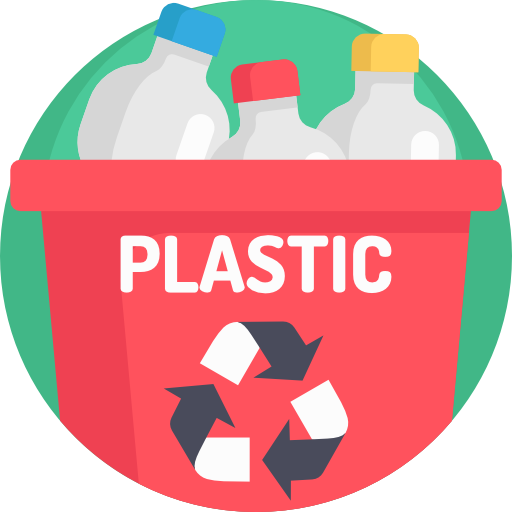
Plastic
- Bottles and jugs labeled #1 or #2 (water, soda, detergent)
- Yogurt cups, takeout containers (check local guidelines)
- Rinse and replace caps before recycling
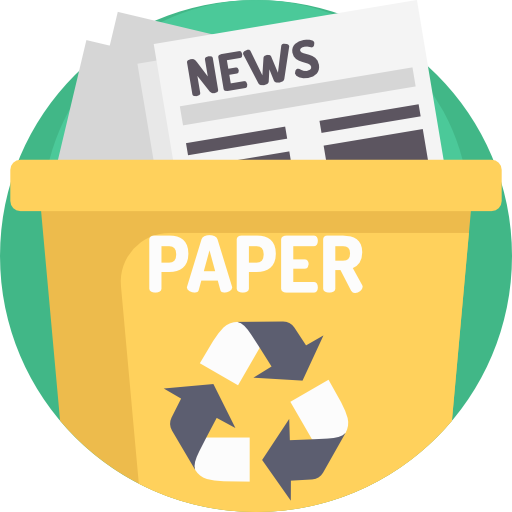
Paper
- Newspapers, magazines, junk mail, office paper
- Flattened cardboard boxes (e.g., cereal, shoe, shipping)
- Paper bags and envelopes—even with plastic windows
- Pizza boxes (remove food scraps; grease is okay)
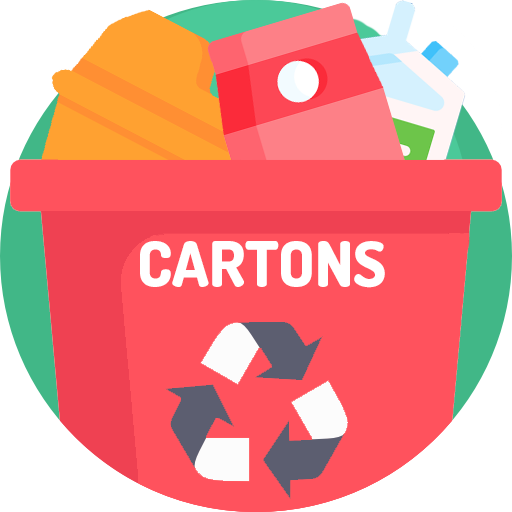
Carton
- Refrigerated Cartons (e.g., Milk, orange juice, cream, egg substitutes)
- Shelf-Stable Cartons (e.g., Soup, broth, soy milk, almond milk, wine, nutritional drinks)
- Empty and rinse. Leave caps on unless otherwise instructed. Flatten when possible.
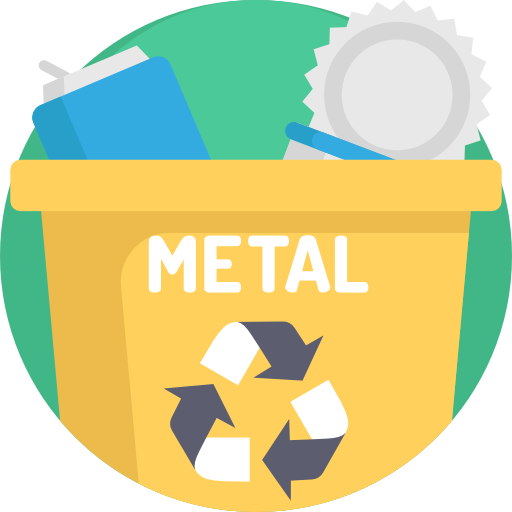
Metal
- Aluminum & Steel Cans (e.g., Soda cans, food cans, pet food tins)
- Household Metal Items (e.g., Baking trays, aluminum foil, empty aerosol cans, wire hangers, small tools.)
- Empty and rinse to remove residue. For foil: crumple into a ball at least 2 inches wide. Aerosol cans must be empty—do not puncture.
Smart Recycling Starts Here
Make the most of your recycling efforts with these simple, effective habits:
Keep It Loose
Place recyclables directly into your cart—no bags, please. Bagged items can’t be properly sorted and may end up in the trash.

Rinse
Food and liquid residue can contaminate clean recyclables. Empty containers and give them a quick rinse to keep the whole load usable.
Skip the Plastic Bags
Plastic grocery bags, sandwich bags, and other film plastics aren’t accepted at sorting facilities. Keep them out of your recycling bin.
What Do the Numbers on Plastic Mean?
Confused by the triangle and number stamped on your containers? Learn how to decode plastics #1–#7 and recycle smarter.
Illinois Battery Disposal: What You Need to Know
Not all batteries belong in the trash—and in Illinois, many types must be recycled by law. This guide explains how to safely dispose of household batteries while staying compliant.