Plastic Symbols?
Plastic Recycling Numbers: What They Mean & How to Handle Them
Plastic is everywhere—from water bottles and food containers to packaging and household goods—but not all plastics are created equal. To help customers recycle smarter, many items are stamped with a number inside the recycling triangle, identifying the type of plastic they’re made from. These numbers range from 1 to 7 and determine whether a plastic is easily recyclable, needs special handling, or should be avoided altogether. Understanding what each number means empowers individuals and businesses to make informed choices, reduce contamination, and support a cleaner, more sustainable community.
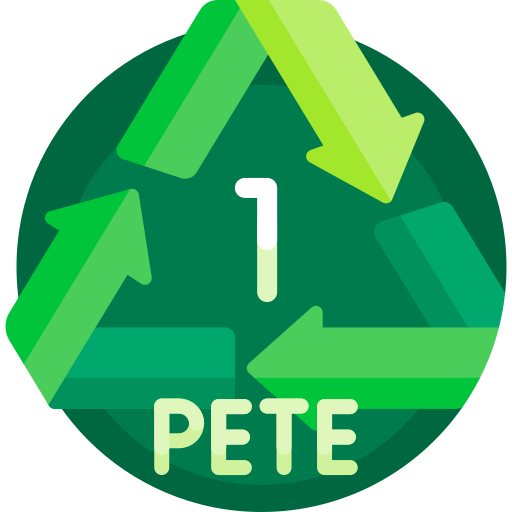
Type #1
PET or PETE (Polyethylene Terephthalate)
Plastic #1, known as PET or PETE (Polyethylene Terephthalate), is one of the most commonly used and widely recycled plastics in the world. It’s lightweight, clear, and strong—making it ideal for packaging beverages like water and soda, as well as salad dressings, cooking oils, and some household cleaners. PET is 100% recyclable and typically accepted in curbside programs, where it’s cleaned, shredded into flakes, and remade into products like carpet fibers, clothing, and new containers. While safe for single use, it’s not recommended for reuse due to its tendency to absorb bacteria and flavors over time.
To recycle properly, customers should rinse containers and check local guidelines to ensure acceptance.
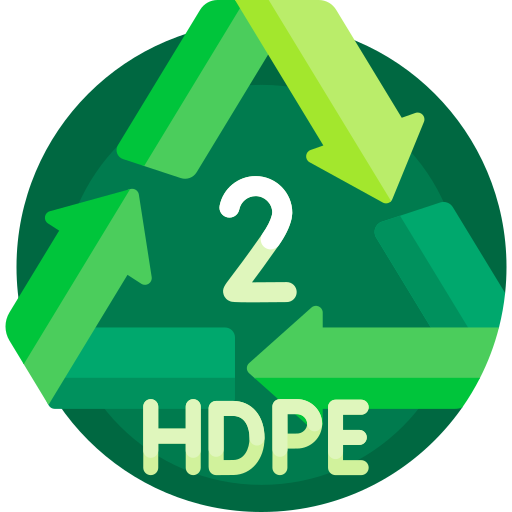
Type #2
HDPE (High-Density Polyethylene)
Plastic #2, known as HDPE (High-Density Polyethylene), is a tough, versatile material commonly found in everyday household items like milk jugs, detergent bottles, shampoo containers, and even some toys and reusable shopping bags. It’s identified by the recycling symbol with the number 2 inside the chasing arrows. HDPE is valued for its strength, chemical resistance, and ability to withstand both hot and cold temperatures, making it ideal for storing food, beverages, and cleaning products. It’s widely accepted in curbside recycling programs and can be repurposed into products like plastic lumber, benches, flower pots, and piping.
To recycle HDPE properly, containers should be rinsed and lids removed, and soft HDPE items like plastic bags may require drop-off at designated collection points.
Type #3
PVC (Polyvinyl Chloride)
Plastic #3, known as PVC (Polyvinyl Chloride), is a durable and chemically resistant material widely used in construction, healthcare, and consumer goods. You’ll find it in items like plumbing pipes, window frames, vinyl flooring, credit cards, medical tubing, and blister packaging. PVC is valued for its strength, flexibility, and resistance to moisture and chemicals, but it comes with significant environmental and health concerns. Its production involves chlorine and other toxic additives, and when incinerated, PVC can release harmful dioxins into the air and water.
Recycling PVC is challenging—it’s rarely accepted in curbside programs and typically requires specialized facilities due to its complex composition and potential hazards. For responsible disposal, it’s best to consult local waste management services or seek out dedicated PVC recycling programs.
Type #4
LDPE (Low-Density Polyethylene)
Plastic #4, known as LDPE (Low-Density Polyethylene), is a flexible, lightweight material commonly found in items like grocery bags, bread bags, shrink wrap, squeezable bottles, and container lids. It’s prized for its durability, moisture resistance, and transparency, making it ideal for packaging and household goods. LDPE is less rigid than HDPE and often used in both soft and rigid forms—from cling wrap to toys and wire insulation.
While LDPE is recyclable, it’s not always accepted in curbside programs due to its tendency to jam sorting machinery. Many communities offer drop-off locations at grocery stores for plastic bags and wraps. When recycled, LDPE can be transformed into products like garbage can liners, compost bins, furniture, and shipping envelopes.
To ensure proper recycling, check with your local waste authority and avoid contaminating batches with food residue or non-recyclable plastics.
Type #5
PP (Polypropylene)
Plastic #5, known as PP (Polypropylene), is a sturdy, heat-resistant material commonly used in food containers like yogurt cups, margarine tubs, syrup bottles, and microwave-safe dishes. It’s also found in medicine bottles, straws, bottle caps, and even some automotive parts. PP is lightweight, flexible, and resistant to moisture, chemicals, and fatigue—making it ideal for both rigid and soft packaging.
While it’s recyclable, polypropylene isn’t always accepted in curbside programs, and its recycling rates are lower than plastics #1 and #2. However, more communities are beginning to support PP recycling through drop-off centers and specialized programs. When recycled, it can be transformed into items like signal lights, battery cables, brooms, and even furniture.
To recycle PP effectively, containers should be clean and free of food residue, and local guidelines should be checked to confirm acceptance.
Type #6
PS (Polystyrene)
Plastic #6, known as PS (Polystyrene), is a lightweight, rigid material that comes in two main forms: solid and foam. The foam version—commonly referred to as Styrofoam—is used in takeout containers, disposable cups and plates, packing peanuts, and insulation. The solid form appears in items like CD cases, plastic cutlery, and some food trays. While polystyrene is valued for its insulation properties and affordability, it poses serious environmental and health concerns. It’s notoriously difficult to recycle, rarely accepted in curbside programs, and often ends up in landfills or as litter due to its tendency to break into small, airborne pieces.
Additionally, polystyrene can leach toxic chemicals like styrene, which has been linked to potential health risks. Some cities and institutions have banned foam PS products altogether.
If disposal is necessary, it’s best to avoid contamination and seek out specialized recycling centers or reuse options when possible.
Type #7
Other (Mixed or Unknown Plastics)
Plastic #7, labeled as “Other”, is a catch-all category for plastics that don’t fit into types 1 through 6. This includes a wide range of materials such as polycarbonate, acrylic, nylon, and bioplastics like PLA (polylactic acid). You’ll find #7 plastics in products like baby bottles, sunglasses, large water cooler jugs, medical storage containers, and some compostable food packaging.
Because this category is so broad, recycling is complicated—some #7 plastics are recyclable, while others are not. For example, PLA-labeled items may be compostable in industrial facilities, but not recyclable curbside. Most municipal recycling programs do not accept #7 plastics due to their mixed composition and processing challenges.
If disposal is necessary, check for specific labels like “compostable” or “PLA,” and consult local waste services or specialty recyclers to determine the best option.