Illinois Passes New Battery Stewardship Act
A Win for Safety and Sustainability
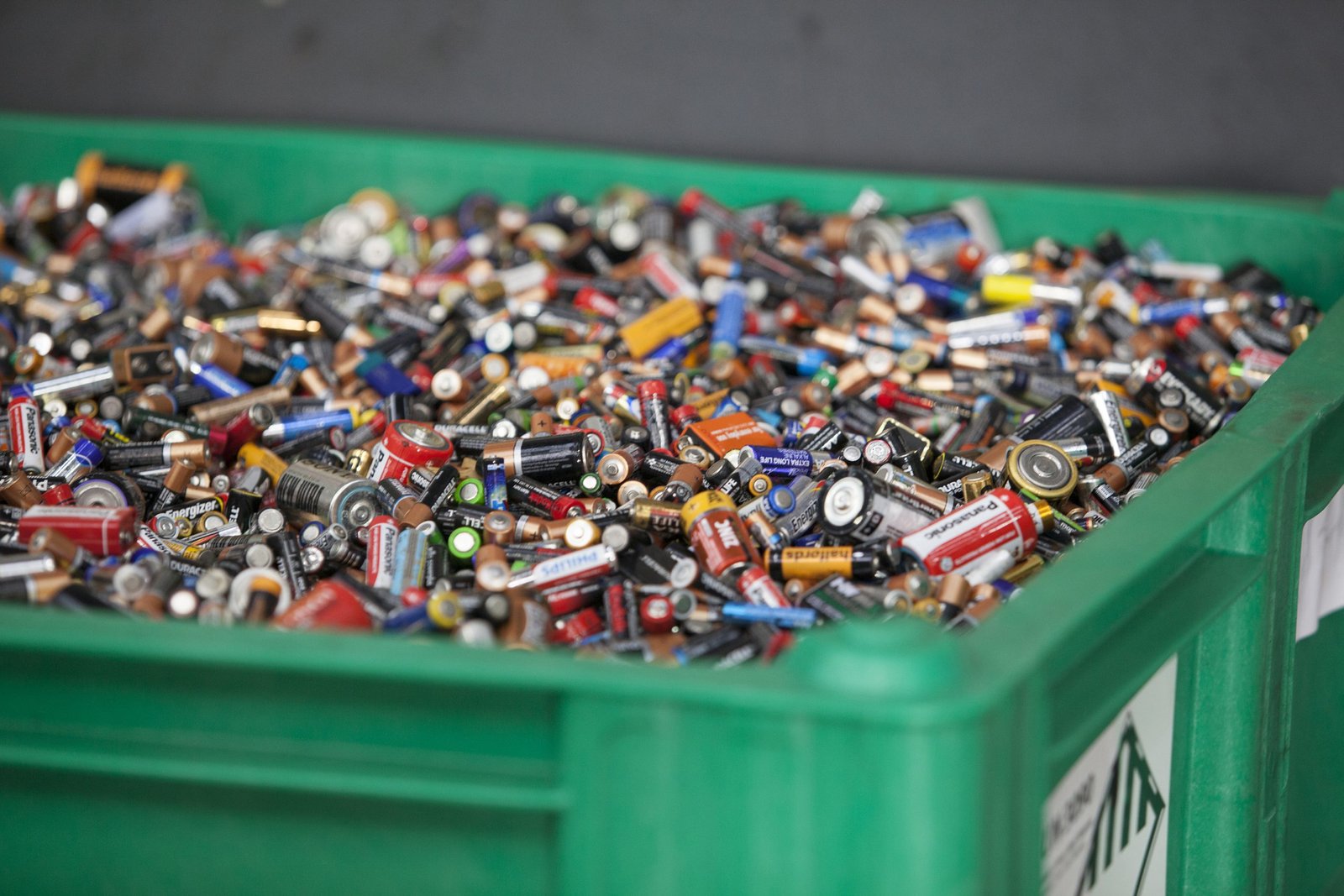
United Disposal is proud to share news of the newly enacted Illinois Portable Battery Stewardship Act, set to take effect on January 1, 2026. This forward-thinking legislation is designed to transform how portable batteries are collected, recycled, and safely disposed of across the state—supporting both environmental protection and public safety.
We extend our sincere thanks to the National Waste & Recycling Association (NWRA) for their leadership in advancing this important initiative. By establishing a clear framework for responsible battery disposal, the Act is expected to significantly reduce the number of hazardous lithium batteries improperly tossed into household garbage and recycling bins.
Understanding the Illinois Portable Battery Stewardship Act
What is this Act?
The Illinois Portable Battery Stewardship Act (SB3686)
Effective January 1, 2026, this new law establishes a statewide program to ensure safe, convenient, and environmentally responsible disposal of portable batteries—including lithium-ion, alkaline, and rechargeable types.
What does this ACT do?
- Producer Responsibility – Manufacturers and distributors of portable batteries must fund and operate a battery stewardship plan, covering collection, transportation, and recycling.
- Convenient Collection – The law requires the creation of accessible drop-off locations across Illinois, making it easier for residents to dispose of batteries properly.
- Public Education – Stewardship organizations must launch awareness campaigns to educate consumers about battery risks and proper disposal methods.
- Annual Reporting – Programs must submit yearly reports to the Illinois EPA, detailing performance, collection volumes, and outreach efforts.
Why should i care about this act?
- Fire Prevention – Improperly discarded lithium batteries can ignite fires in garbage trucks and recycling facilities.
- Worker Safety – Toxic leaks and combustion risks endanger waste workers and the public.
- Environmental Protection – Batteries contain valuable metals like lithium, cobalt, and manganese. Recycling reduces mining and conserves resources.
Who's behind this act?
- Sponsored by Sen. David Koehler and Rep. Sharon Chung
- Supported by the National Waste & Recycling Association (NWRA) and the Product Stewardship Institute (PSI)
What makes a battery?
A battery stores chemical energy and converts it into electrical energy. Inside, it contains:
• Electrodes (anode and cathode): where chemical reactions occur
• Electrolyte: a substance that allows ions to move between electrodes
• Separator: keeps the electrodes from touching while allowing ion flow
Different chemistries and designs give rise to different battery types, each suited to specific uses
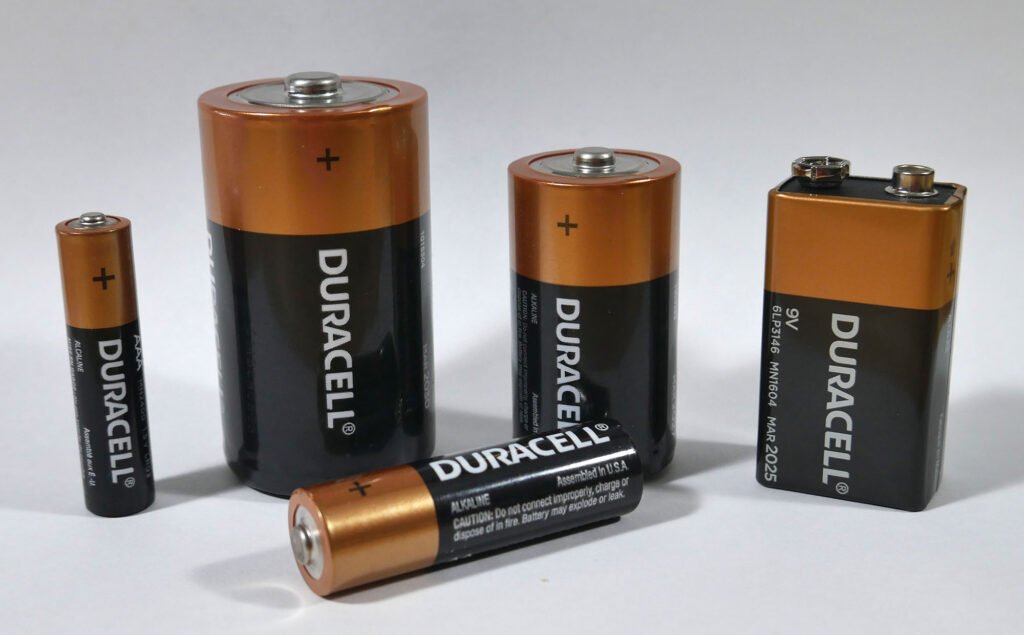
(Single-Use)
Alkaline
Used for – Remote controls, flashlights, toys, smoke detectors
In many areas, can be safely placed in household trash. However, recycling is preferred to recover materials and reduce landfill waste.
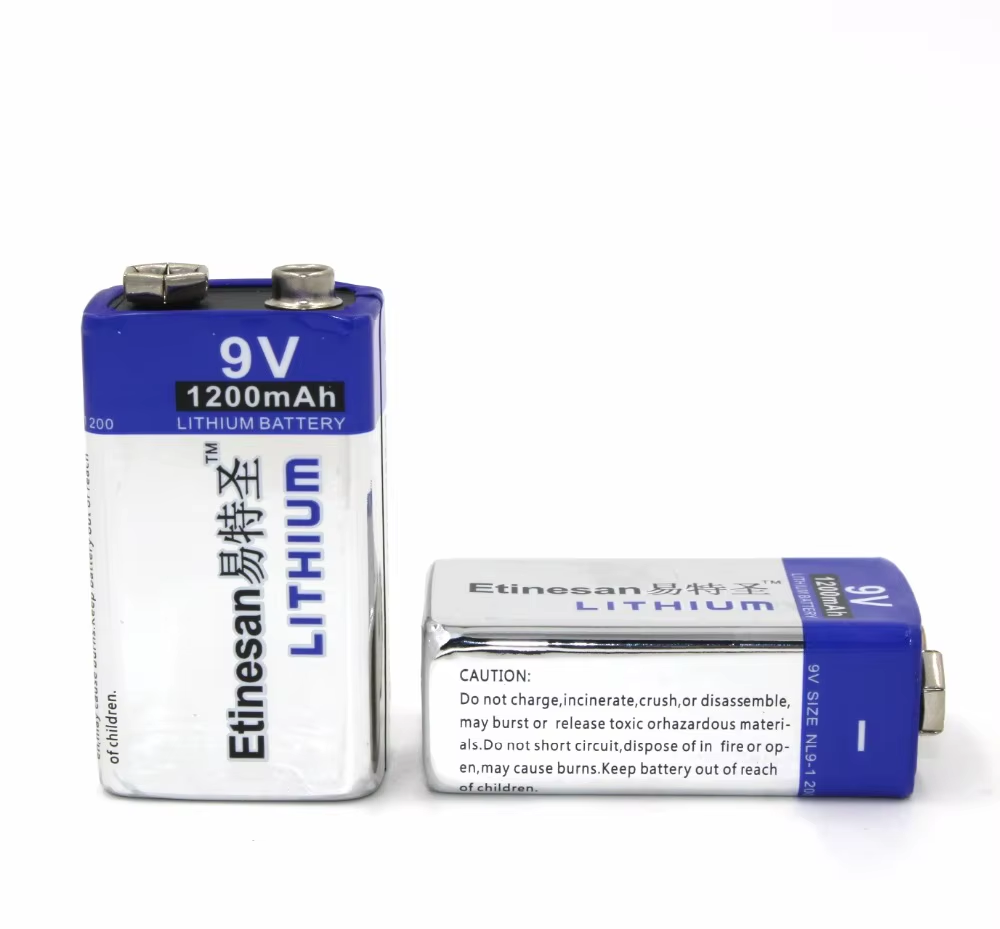
(Single-Use)
Lithium
Used for – High-drain devices like digital cameras, wireless sensors
Do not throw in the trash. These contain lithium metal and can pose fire risks. Recycle at battery drop-off sites or hazardous waste events
(Single-Use & Rechargeable)
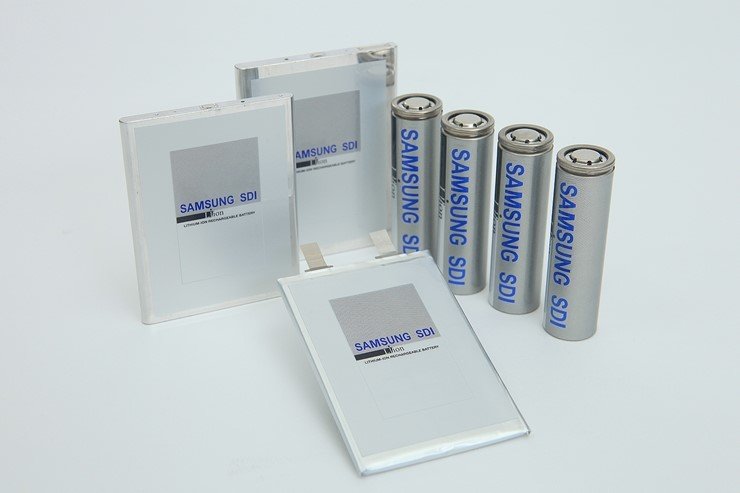
Lithium-Ion
Used for – Smartphones, laptops, power tools, e-bikes
Never toss in trash or curbside recycling. Take to designated battery recycling drop-off sites or hazardous waste facilities. Tape terminals before disposal to prevent fires