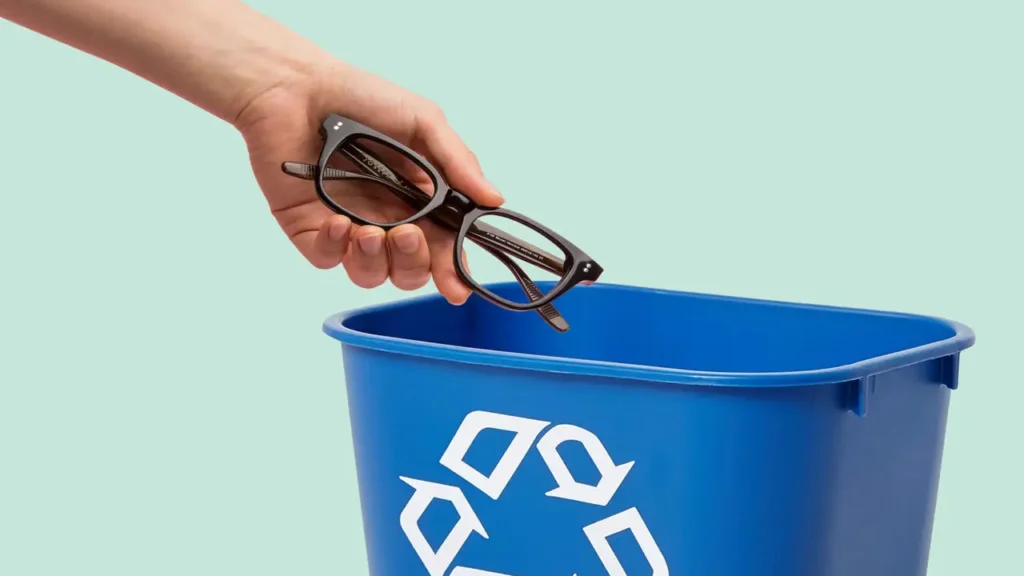
Difficult Waste Disposal
Practical Solutions for Hard-to-Handle Materials
Some items — from electronics and appliances to chemicals and construction debris — require special handling due to safety, legal, or environmental concerns.
This guide is designed to help residents, contractors, and businesses understand what qualifies as “difficult waste,” why it matters, and how to dispose of it responsibly.
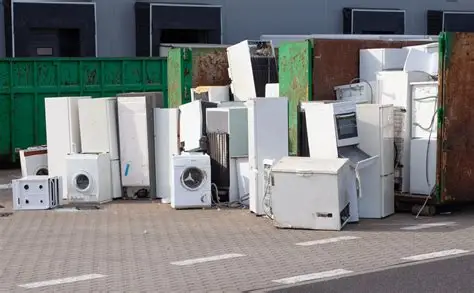
United Disposal offers weekly appliance pickup as part of residential service. We’ll remove one large appliance or bulk item per week — just contact us in advance and place the item next to your cart on your regular collection day.
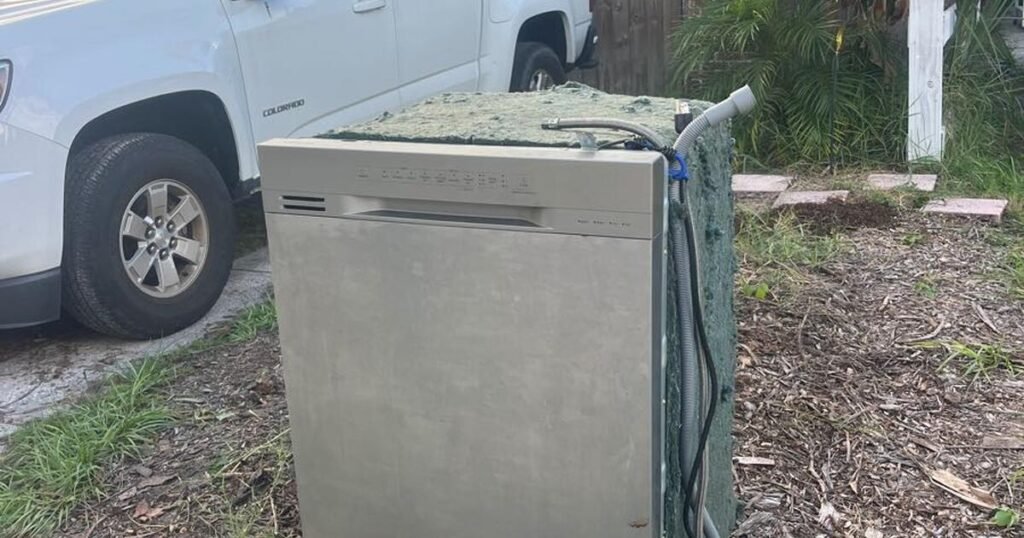
Dishwasher
- Remove the door before placing at the curb
- Place the door beside the unit
- Pickup included with weekly service
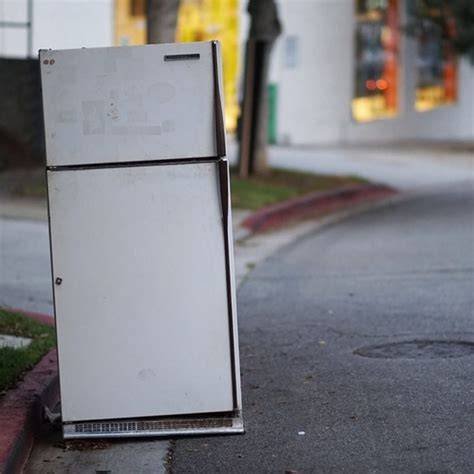
Refrigerator
- Remove doors before curbside placement (required by law)
- Place doors beside the fridge
- Appliance centers may offer removal when delivering a new unit
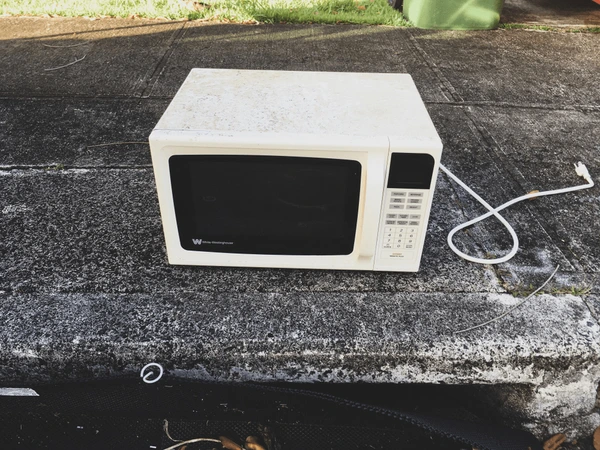
Microwave
- May be placed in regular garbage
- Not covered by Illinois E-Waste Landfill Ban
- For recycling, contact local appliance stores or drop-off sites
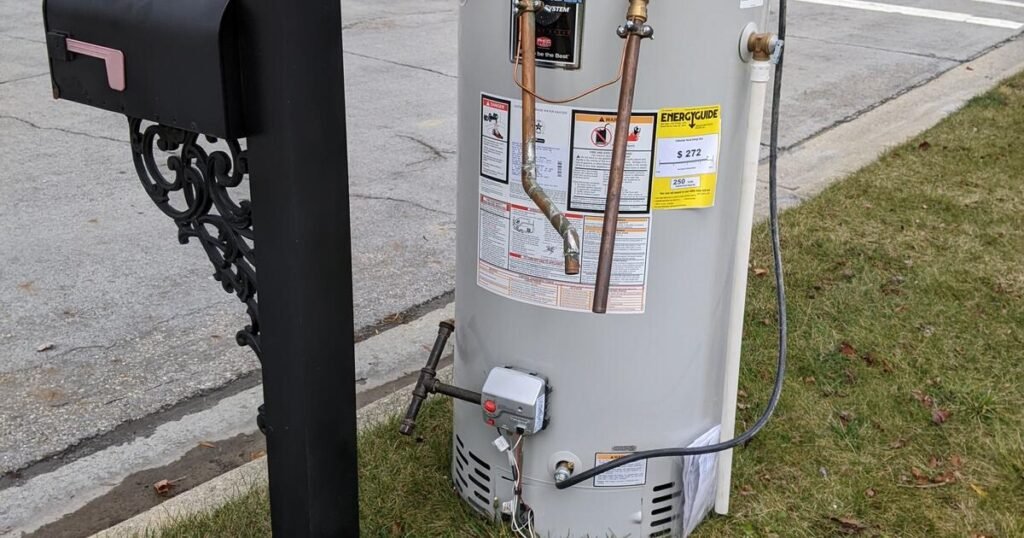
Water Heater
- Drain all water before placing at the curb
- Pickup included with weekly service
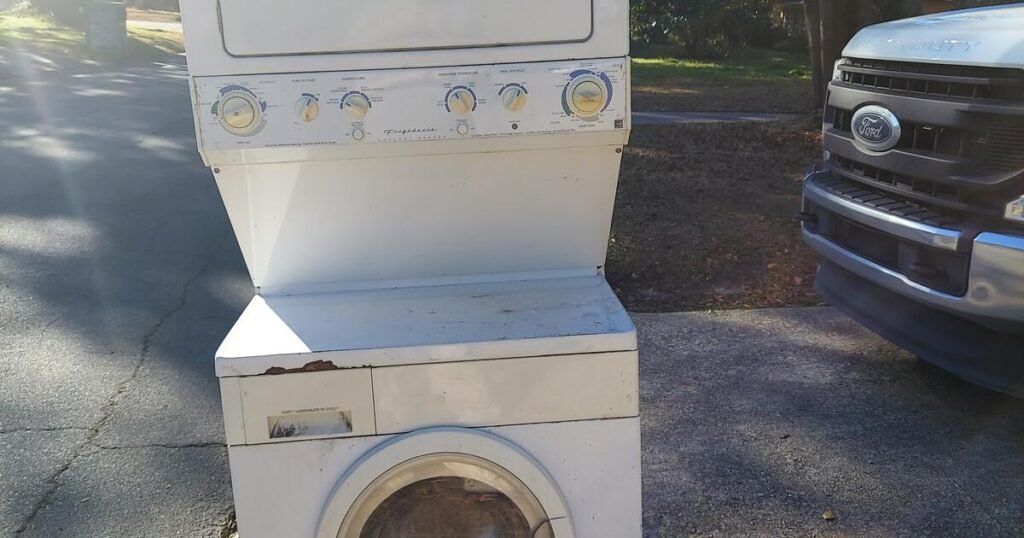
Washer
- Remove the door before pickup
- Place washer and door at the curb
- We’ll ensure safe and eco-friendly disposal
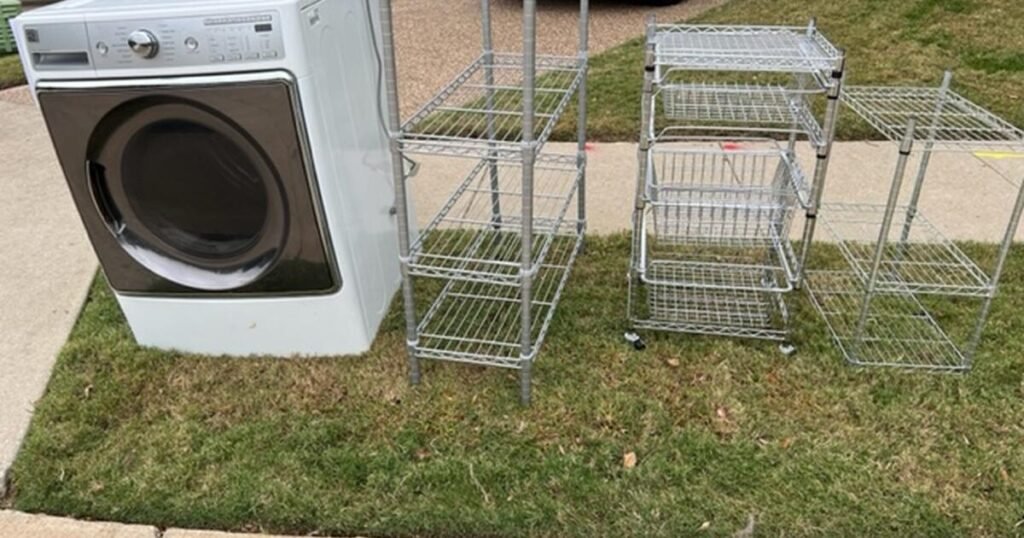
Dryer
- Remove and place door beside the unit
- Pickup included with weekly service
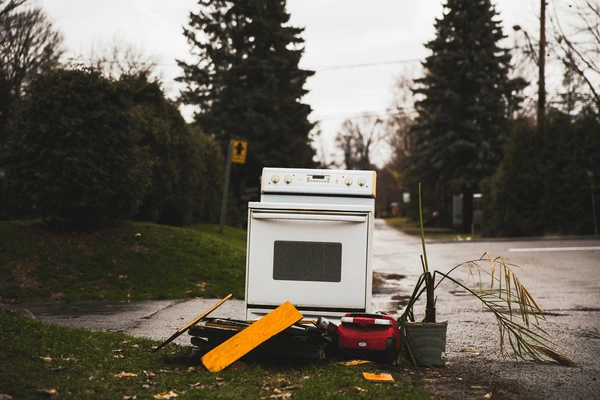
Stove
- Remove the door and place it beside the stove
- Pickup included with weekly service
Freezer
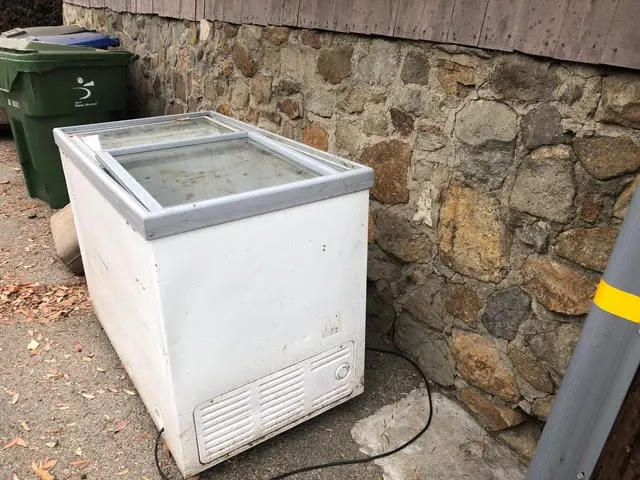
- Remove doors before curbside placement
- Place doors beside the freezer
- Pickup included with weekly service
Since 2012, it’s been illegal in Illinois to dispose of many electronics in landfills. These items contain hazardous materials that can contaminate soil and water, and pose serious risks to sanitation workers. This guide outlines how to properly dispose of electronic waste (E-Waste) through approved programs and services.
Many villages, office supply stores, and electronics retailers offer E-Waste drop-off programs. These are ideal for:
- TVs and receivers
- Computers and accessories
- DVD players and stereo equipment
- Cell phones and tablets
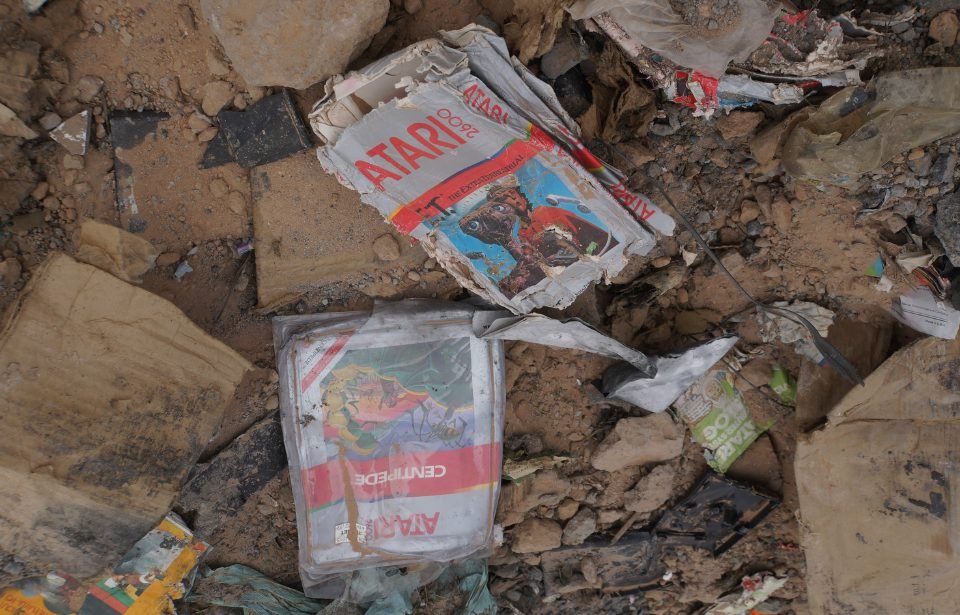
- Video game consoles
- Batteries and light bulbs
Always call ahead to confirm accepted items and hours of operation.
Television Equipment
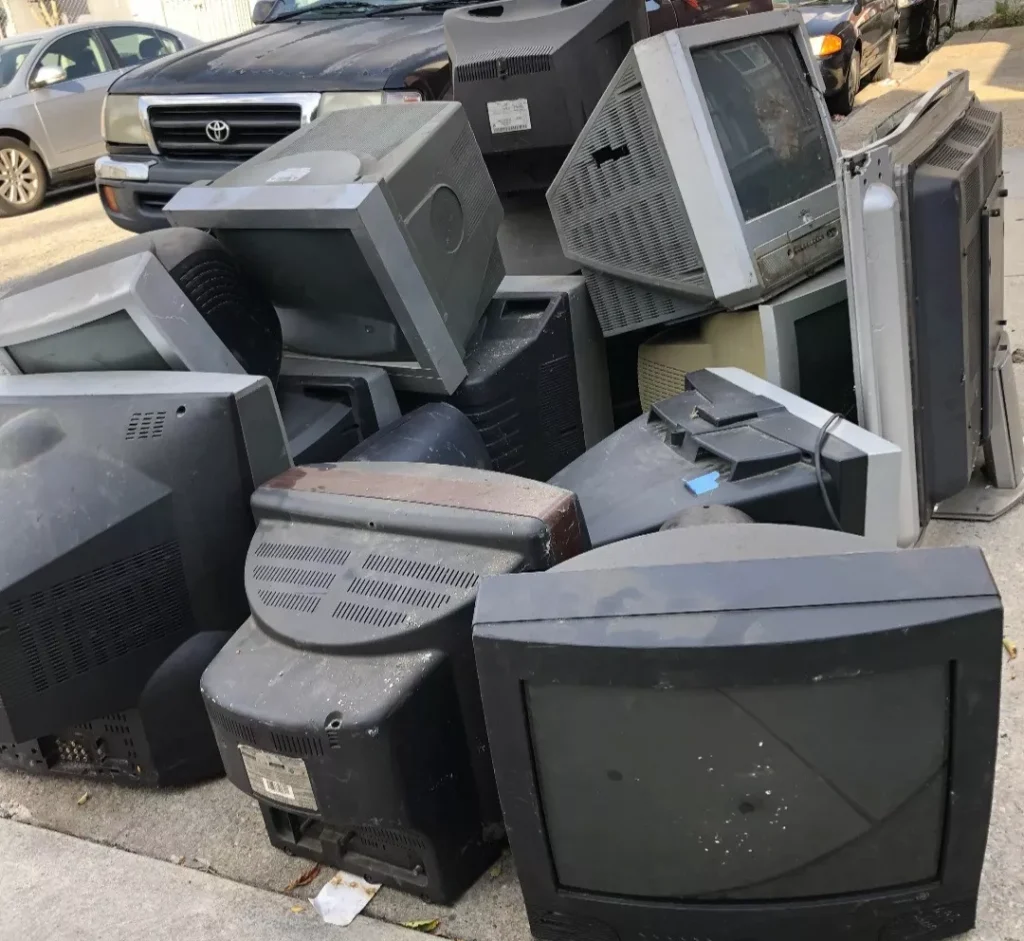
- Includes converter boxes, cable/satellite receivers, and TVs
- Not allowed in garbage
- Drop off at electronics stores
Phones
- Corded phones: May go in regular trash
- Cell phones: Contain lithium-ion batteries — recycle at electronics stores
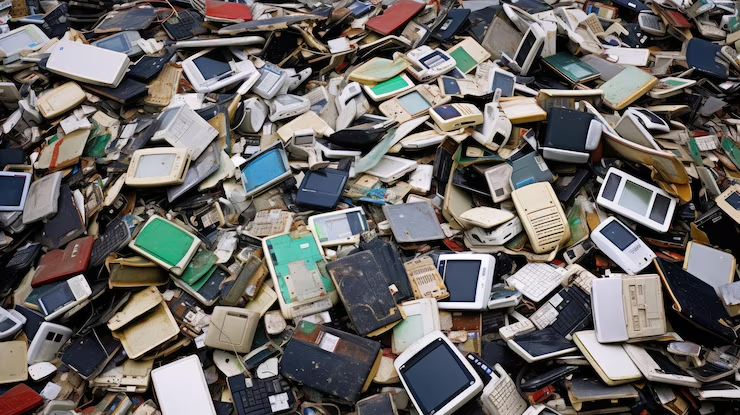
Computers & Accessories
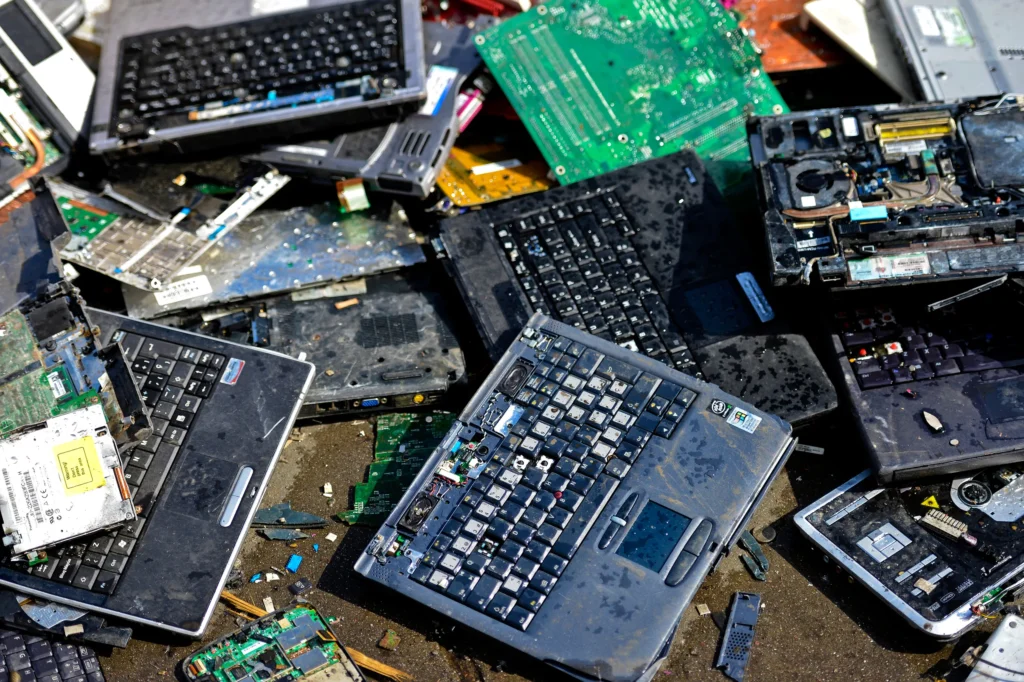
- Includes laptops, monitors, printers, keyboards, mice, scanners, and fax machines
- Must be recycled — not accepted in curbside garbage
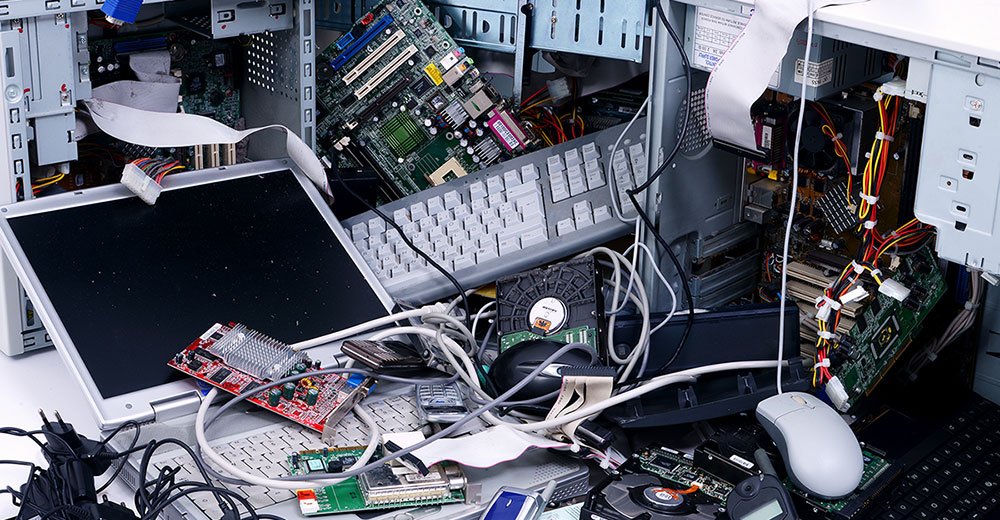
CDs & DVDs
- Not part of E-Waste program
- May go in trash or be recycled at libraries and electronics stores
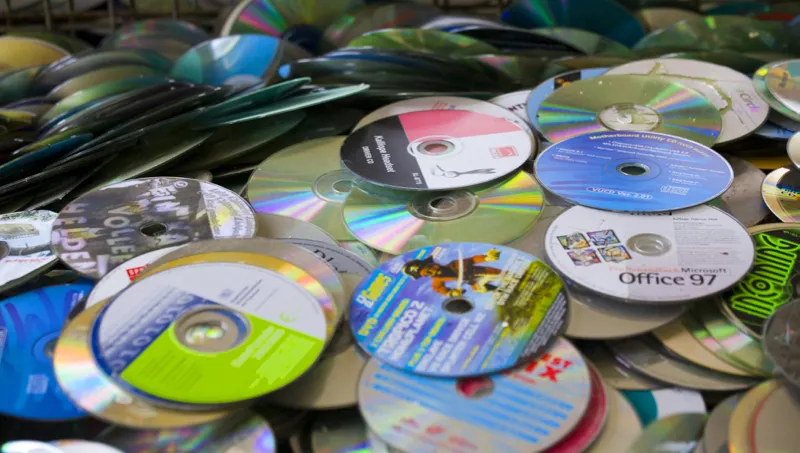
DVD & Cassette Players
- Banned from landfills
- Accepted at electronics retailers with E-Waste programs
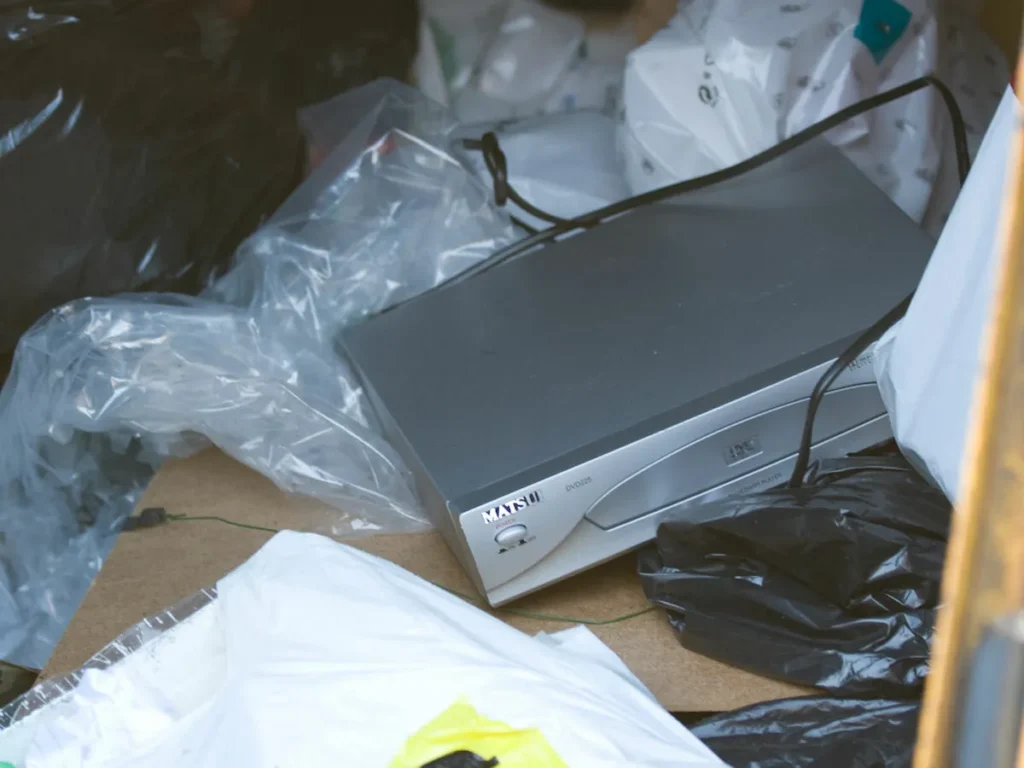
Video Game Consoles
- Includes consoles and controllers
- Must be recycled or donated — check with thrift stores or the Illinois EPA
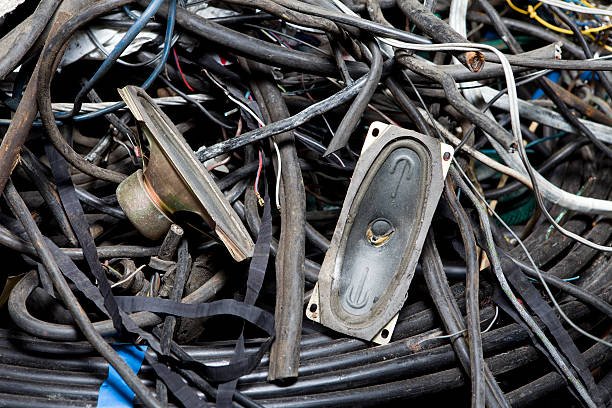
Stereo Equipment & Speakers
- Includes portable music players and sound systems
- Must be recycled — contact electronics stores or the Illinois EPA
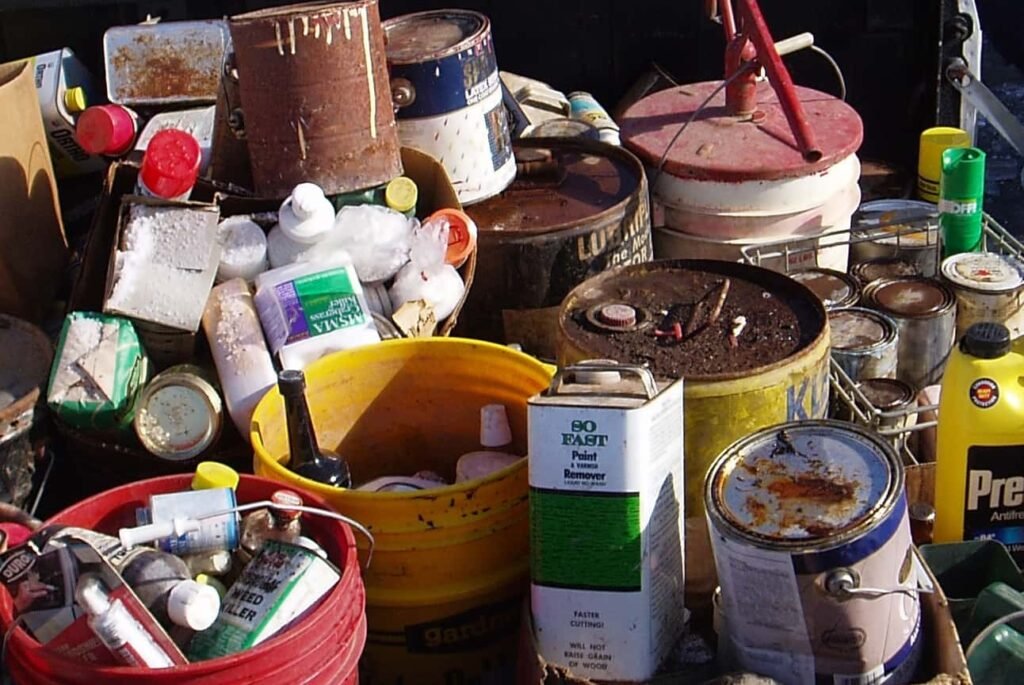
Hazardous waste isn’t always marked with a skull and crossbones — but it can still pose serious risks to people, property, and the environment if not handled properly. This guide helps residents and businesses identify hazardous items and dispose of them safely through approved programs and facilities.
For your safety and the safety of our drivers, never place hazardous or flammable materials in your curbside garbage or recycling carts.
These items must be taken to a Household Hazardous Waste (HHW) facility or disposed of during community collection events.
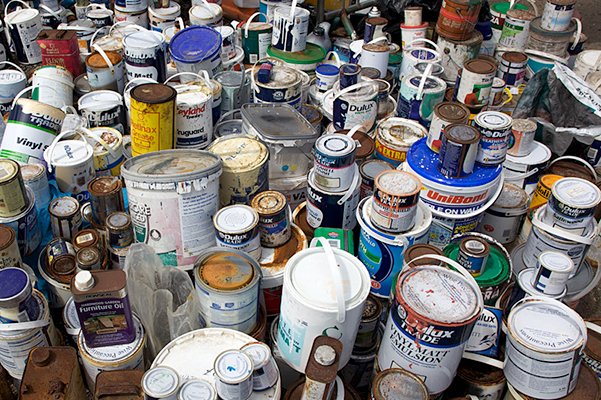
Paint Disposal
- Latex Paint: Non-toxic when dried. Remove lid, let paint solidify (use kitty litter or shredded paper), then place next to trash with lid off.
- Oil-Based Paint: Hazardous. Must be taken to a HHW facility or a participating paint store.
Motor Oil Disposal
- Never pour down drains or toss in trash.
- Take used oil and filters to auto parts stores or mechanics that accept them for recycling.
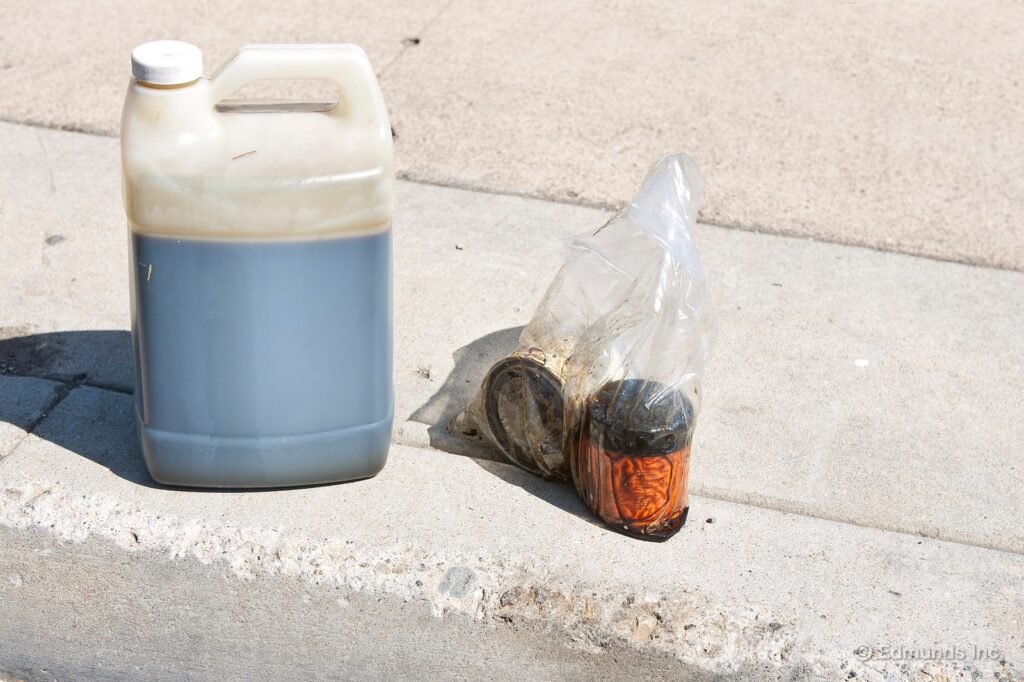
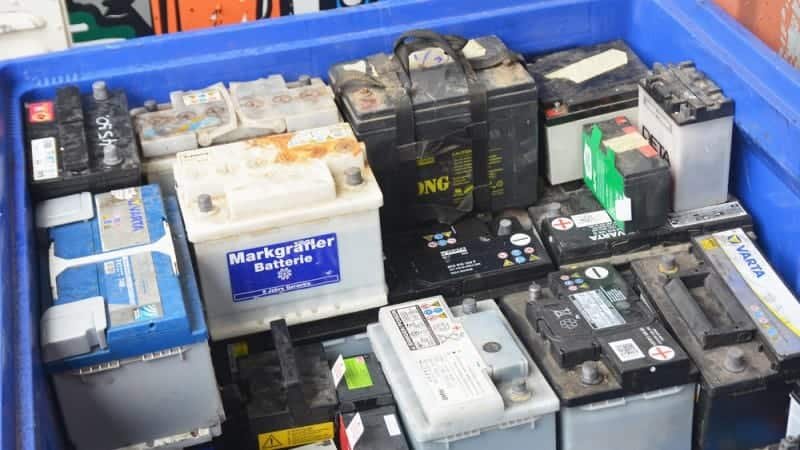
Car Battery Disposal
- Never place in curbside bins.
- Accepted at auto parts stores, scrap yards, and dealerships.
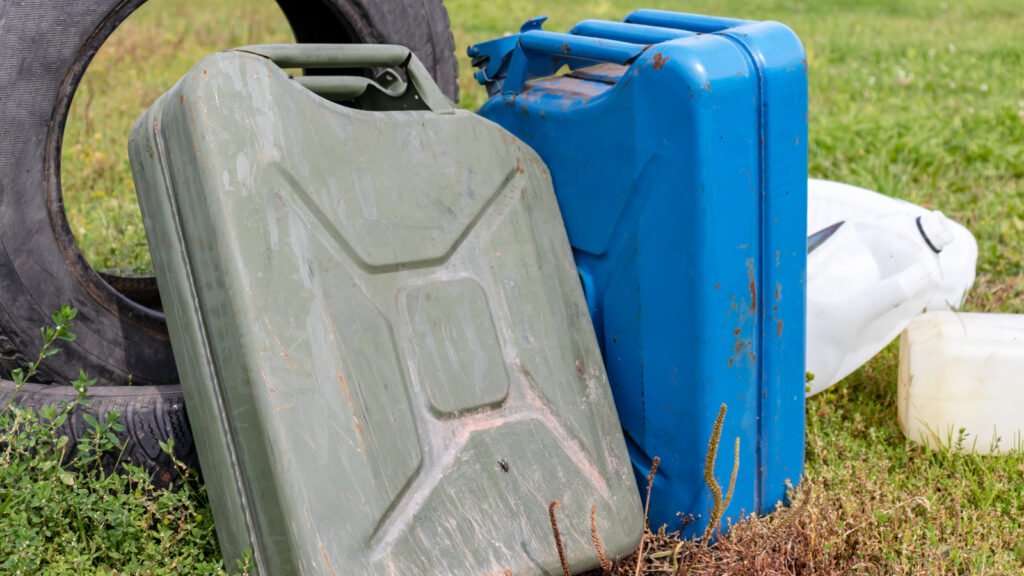
Gasoline & Diesel Disposal
- Highly flammable and toxic.
- Take to an Illinois HHW facility — never pour down drains or into trash.
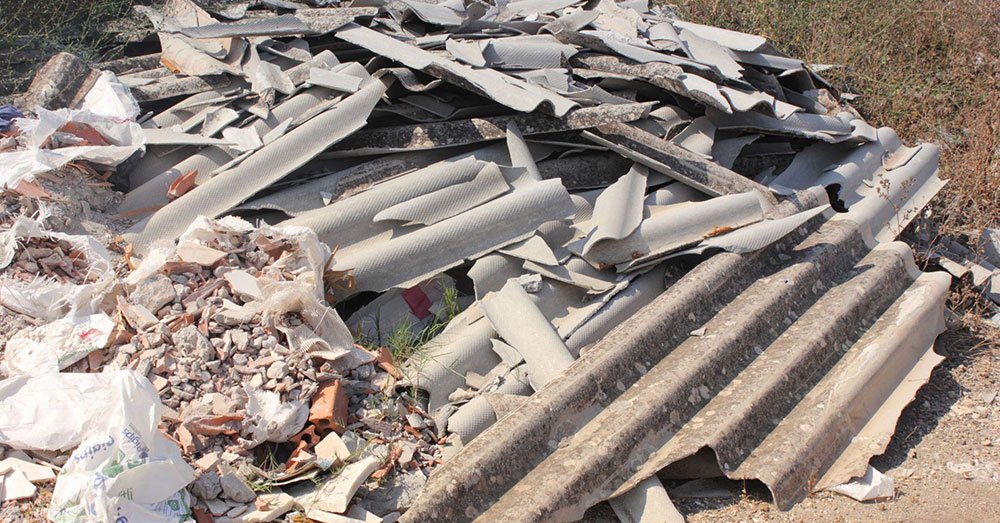
Asbestos Disposal
- Extremely hazardous.
- Accepted at Illinois HHW facilities. Contact the Illinois EPA Asbestos Unit for removal guidance.
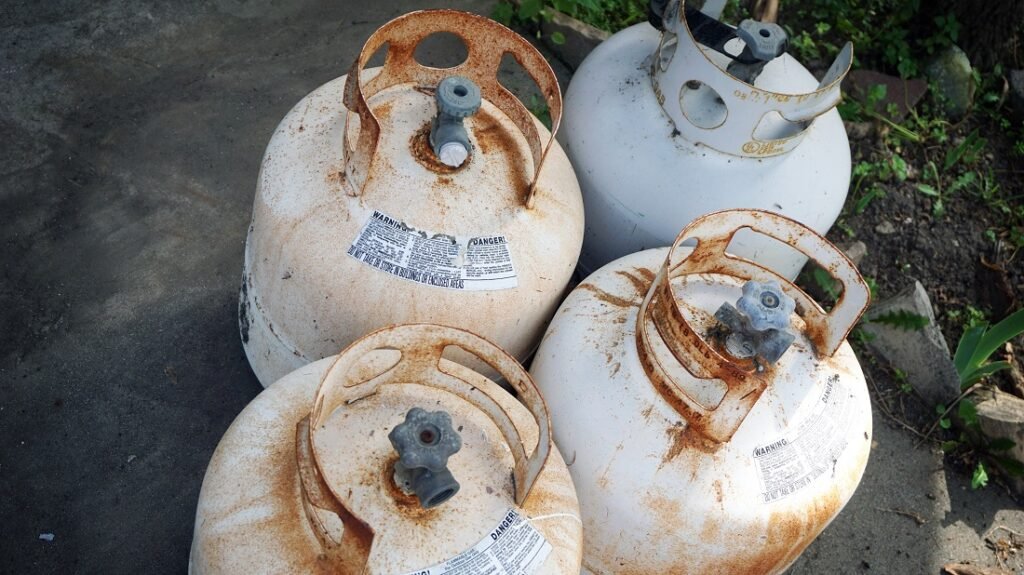
Propane Tank Disposal
- Never place in trash or recycling.
- Trade-in or disposal available at Walgreens, Ace Hardware, and similar retailers.
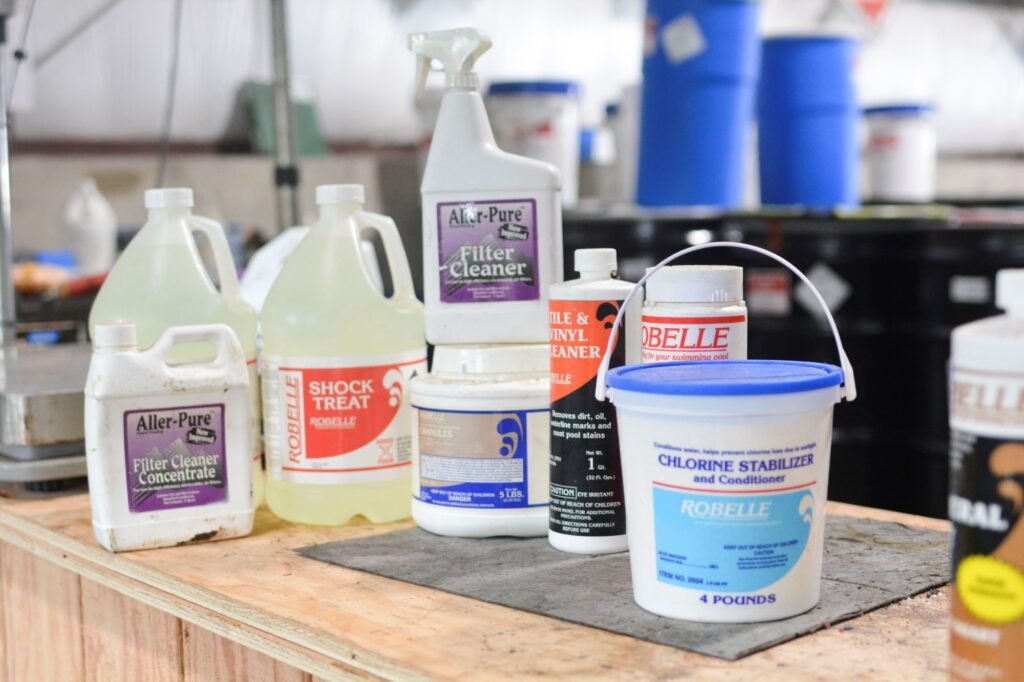
Pool Chemical Disposal
- Highly reactive and corrosive.
- Take to HHW facility or check with local pool stores for drop-off options.
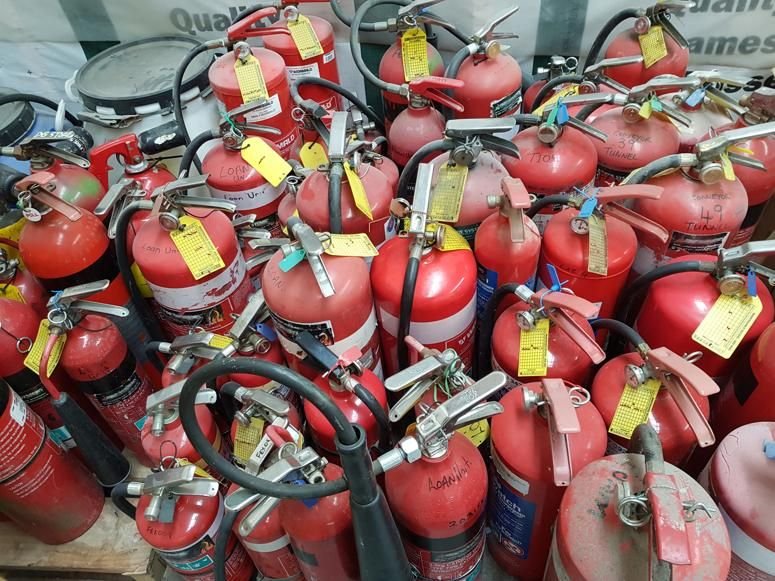
Fire Extinguisher Disposal
- Can explode if mishandled.
- Contact your local fire station for safe disposal programs.
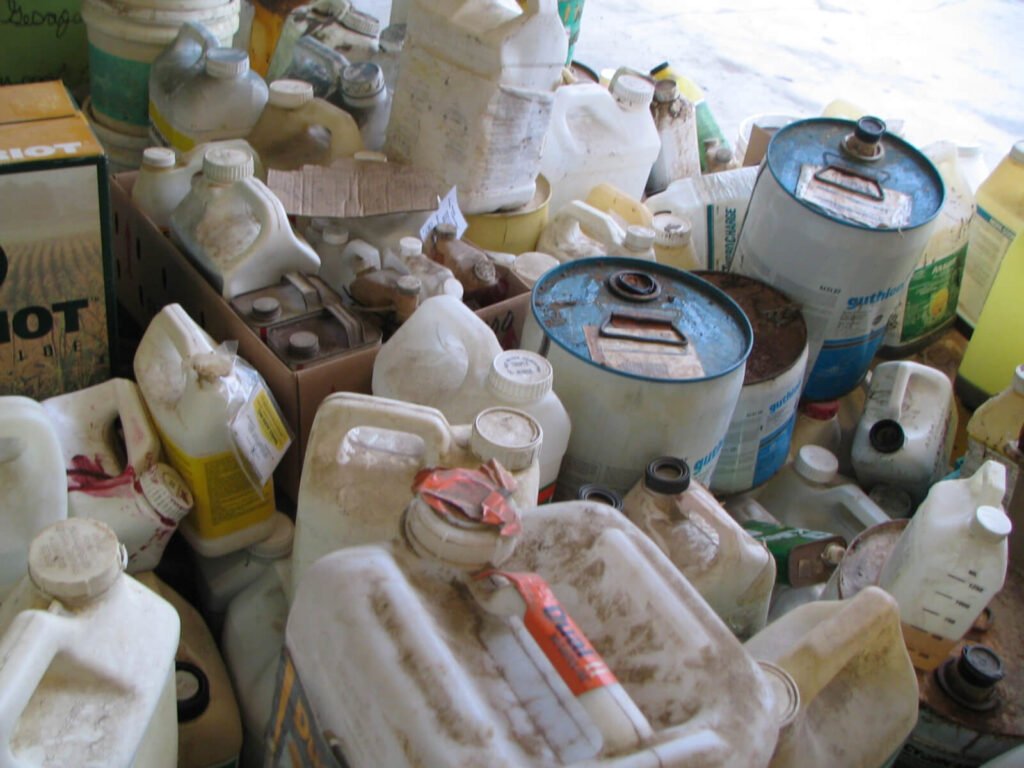
Pesticide Disposal
- Never pour down drains or toss in trash.
- Take to HHW facility or participate in EPA-sponsored collection days.
Some household items are easy to toss — others require a little extra know-how. This guide helps residents safely and responsibly dispose of common materials that aren’t always accepted in curbside bins. From Christmas trees to cooking oil, we’ve got you covered.
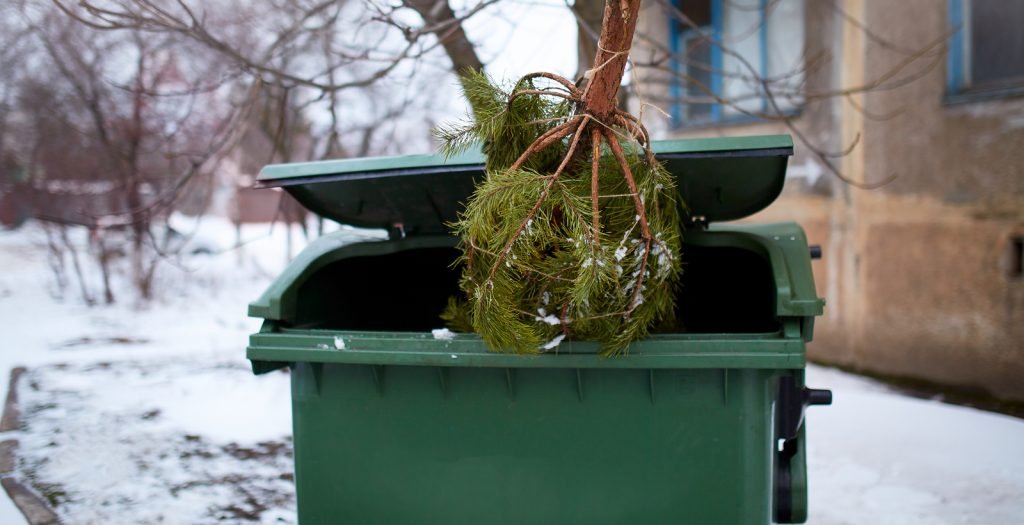
Christmas Tree Disposal
- Remove all decorations and lights
- Place live trees by the curb during the first few weeks of January
- Disassemble artificial trees and box them next to your bin (they count as bulk items)
- Consider donating reusable artificial trees to local charities or thrift store
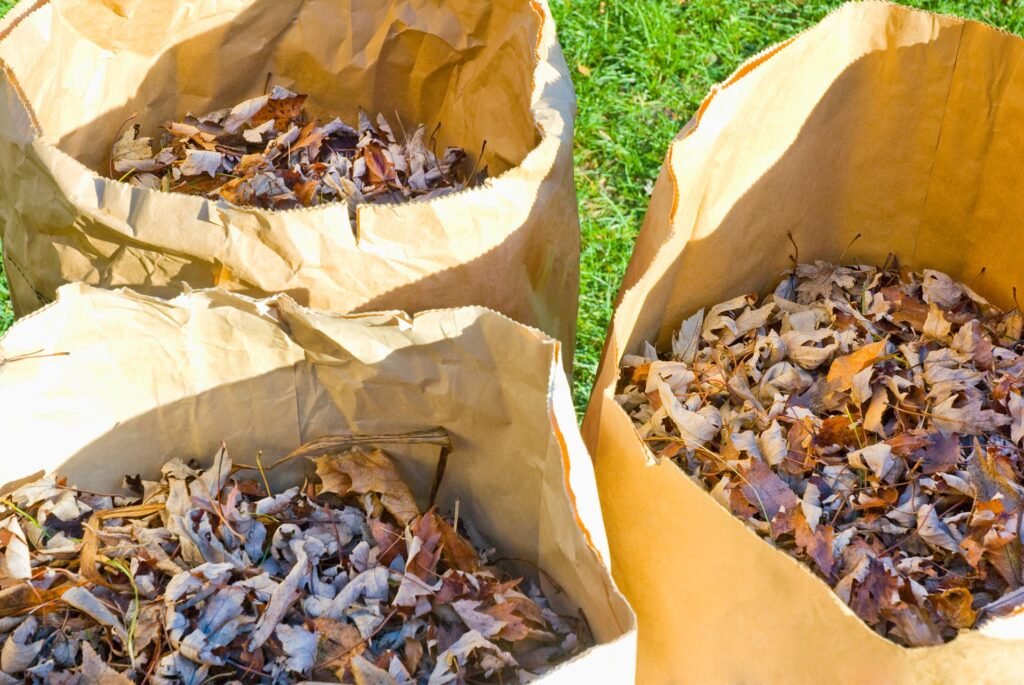
Yard Waste Disposal
Under Illinois law, yard waste cannot go in your regular garbage cart.- Includes: grass, leaves, dead plants, branches
- Excludes: dirt, rocks, stumps, sod, food scraps
- Use a brown biodegradable bag or marked container
- Check your village’s yard waste program for pickup details
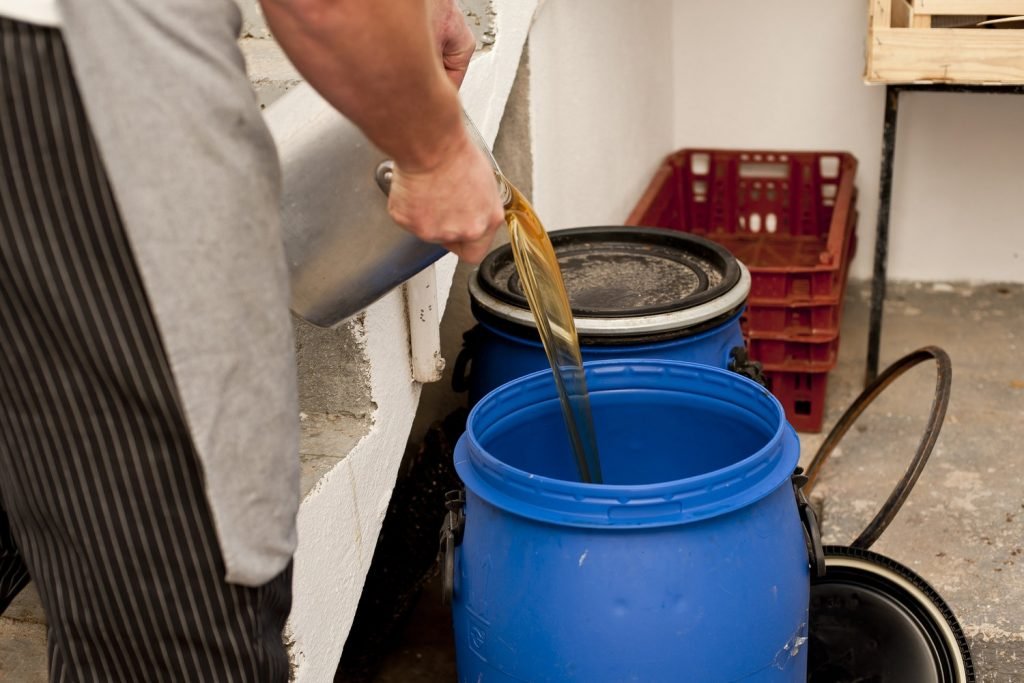
Cooking Oil & Grease Disposal
Never pour grease down the drain — it clogs pipes.- Small amounts: cool and wipe with a paper towel, then toss
- Large amounts: pour into a jar or can, seal, and place in the trash
- Do not recycle cooking oil containers unless fully cleaned
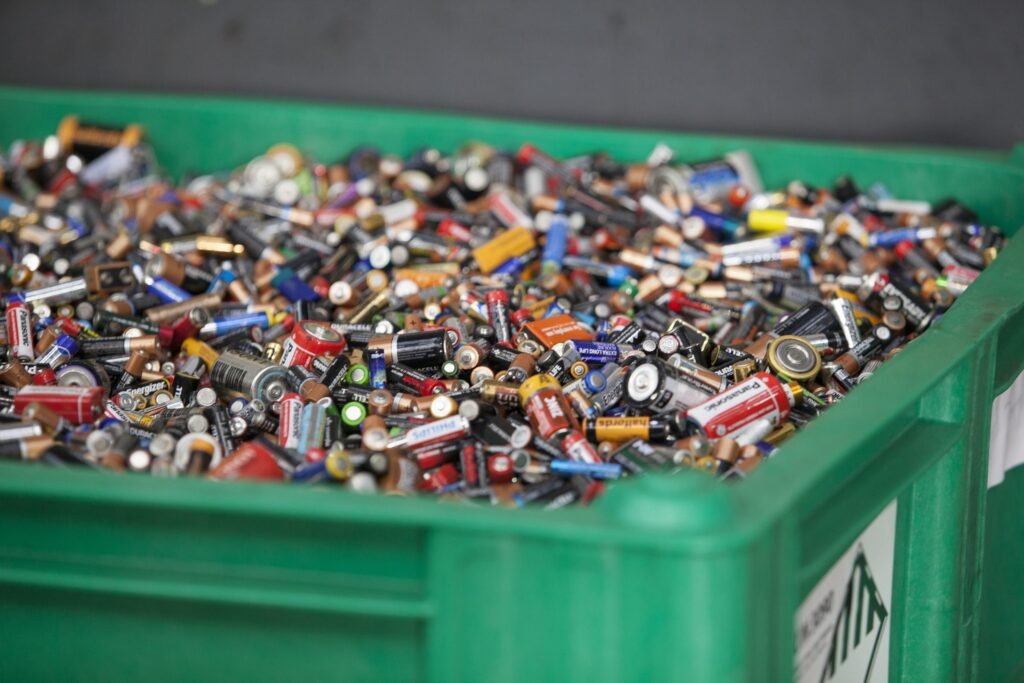
Battery Disposal
Lithium, rechargeable, and button batteries are hazardous — never place in curbside bins- Drop off at local hardware or electronics stores
- Alkaline batteries can go in the trash, but recycling is preferred when available
- Improper disposal is a leading cause of truck fires
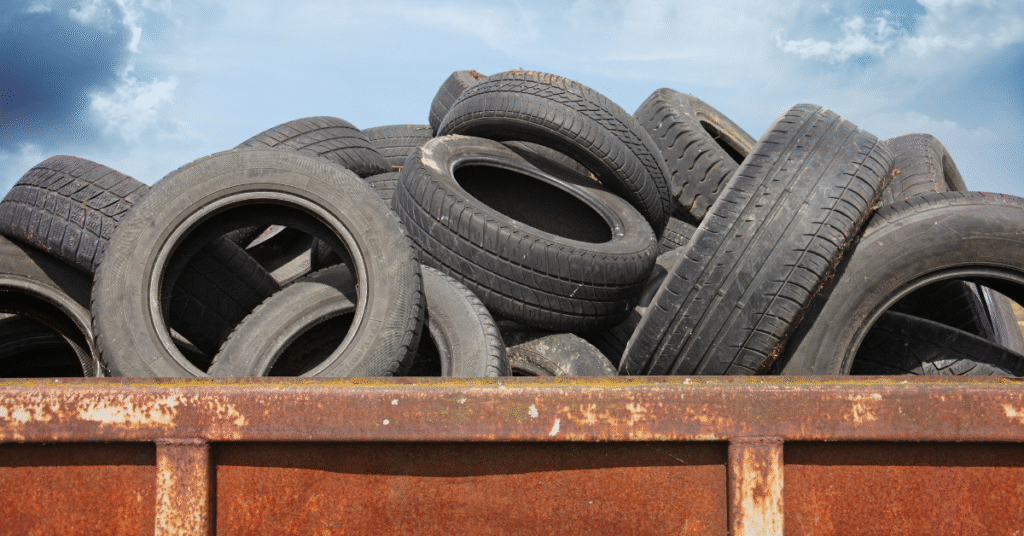
Tire Disposal
Tires are not accepted in curbside garbage or recycling.- Leave old tires with your retailer when buying new ones — it’s required by law
- Never store tires outdoors — they pose fire and mosquito risks
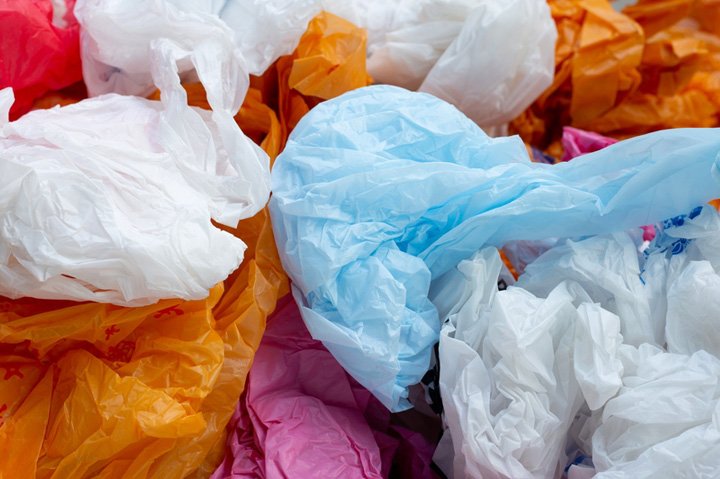
Plastic Bag Recycling
Plastic bags and film plastics are not accepted curbside.- Includes grocery bags, bread bags, dry-cleaning wraps, etc.
- Many local stores offer drop-off bins for plastic bag recycling
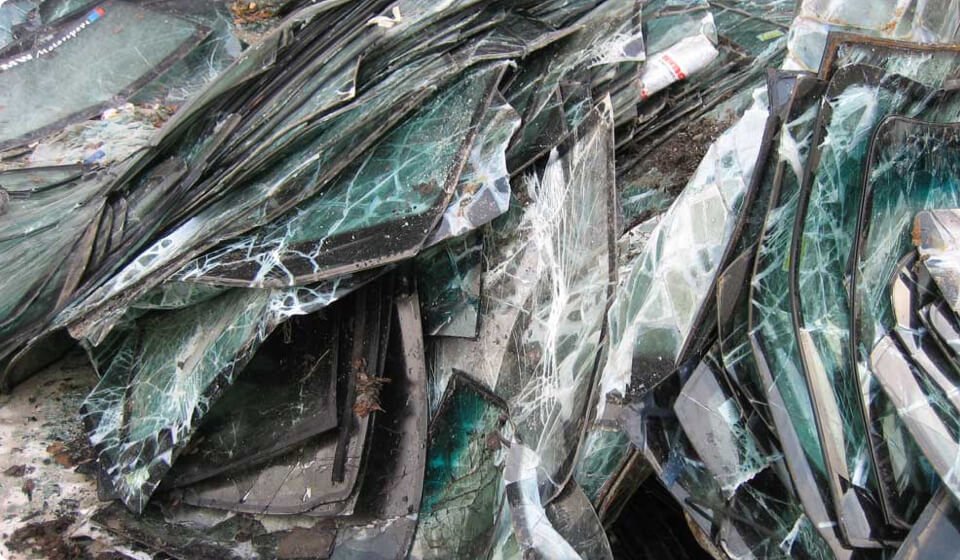
Glass Disposal
- Small glass items may go in your curbside bin
- Wrap broken glass in a box to protect sanitation workers
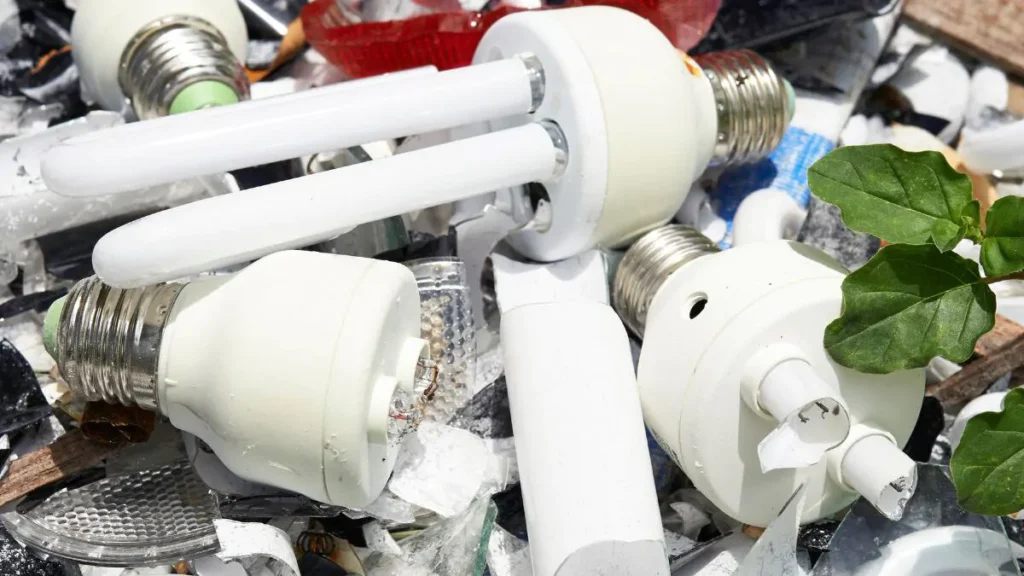
Light Bulb Disposal
- CFL bulbs contain mercury — recycle at home improvement stores
- Incandescent bulbs can go in your regular trash
- Always check with your local store for recycling options
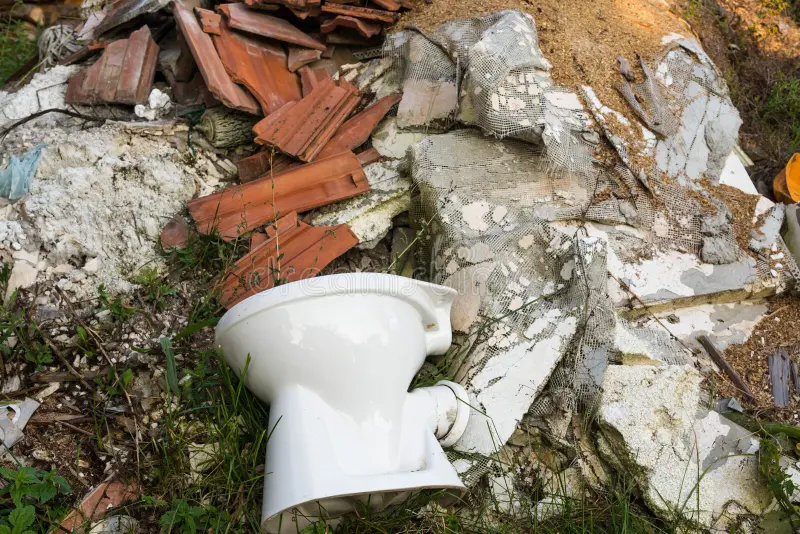
Toilet Disposal
Toilets are accepted as bulk items — one per week.- Drain all water before placing at the curb
- Must be light enough for one person to lift
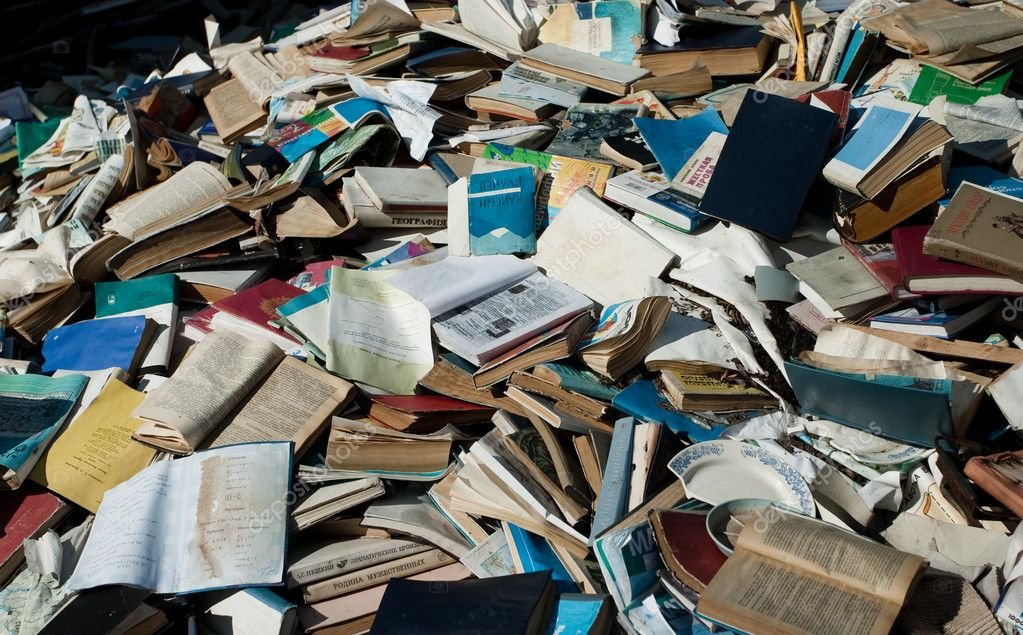
Book Disposal
- Paperback books: recyclable as-is
- Hardcover books: remove cover before recycling
- Consider donating to libraries, senior centers, or book exchanges
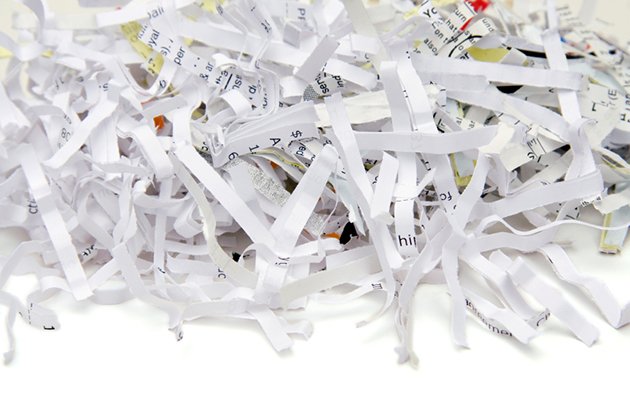
Shredded Paper Recycling
Shredded paper cannot go in curbside recycling — it contaminates glass.- Compost small amounts at home
- Use professional shredding services for large volumes
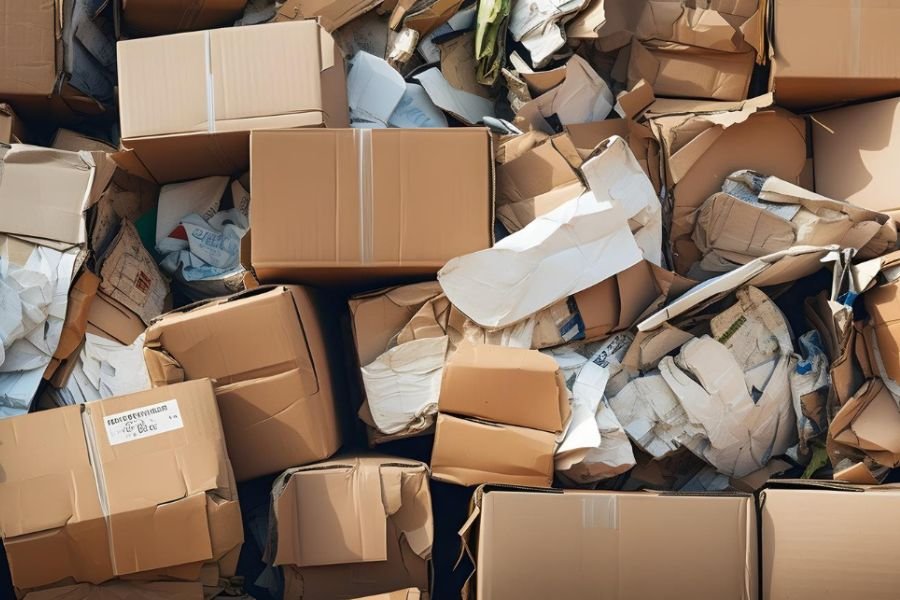
Packing Material Disposal
Styrofoam, bubble wrap, and packing peanuts are not recyclable curbside.- Place in regular trash
- Many shipping stores offer Styrofoam recycling drop-off
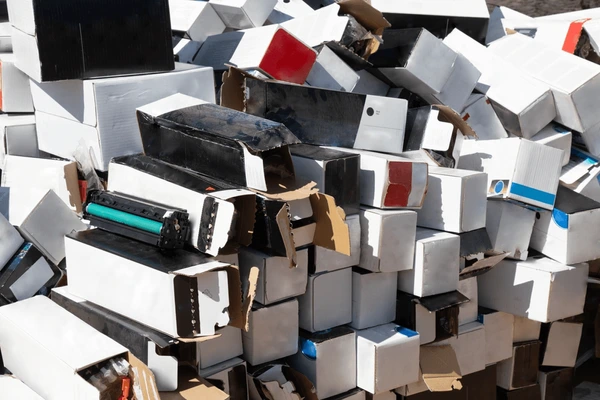
Ink & Toner Cartridge Disposal
Not accepted in curbside recycling.- Place in regular trash
- Office supply stores often offer recycling or refill discounts
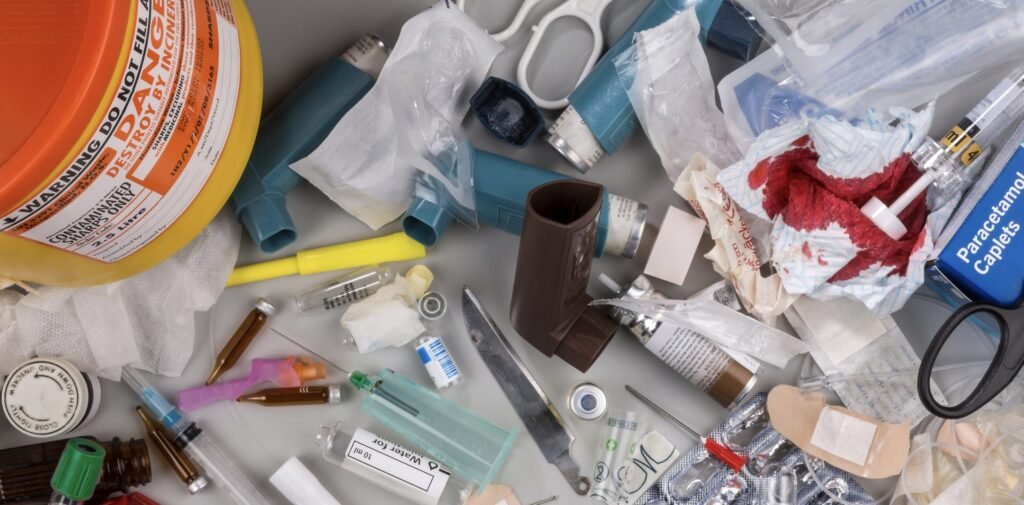
Medical waste requires extra care to protect sanitation workers, prevent environmental harm, and reduce the risk of disease transmission. Whether you’re cleaning out a medicine cabinet or managing home healthcare supplies, here’s how to handle these items responsibly.
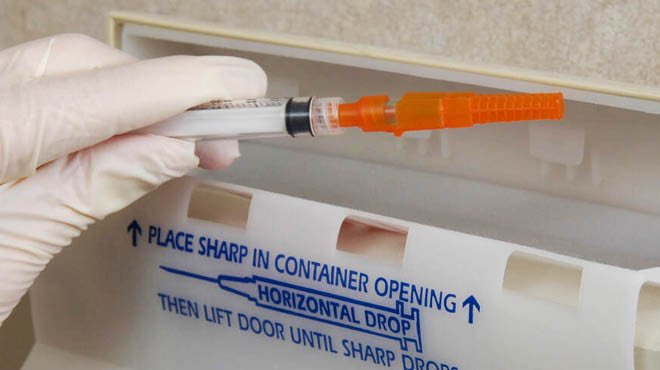
Sharps & Needle Disposal
Improperly discarded needles pose serious health risks. Never place sharps in your recycling bin — even if sealed inside another container.
Safe disposal options include:
- FDA-cleared red sharps containers — When ¾ full, seal tightly with duct tape and place in your regular trash (not recycling).
- Mail-back programs & pharmacy exchanges — Many drugstores offer safe return options.
- Local drop-off sites — Check with your village or county for household hazardous waste centers or special collection events.
Always confirm availability with your local pharmacy or municipality before disposal
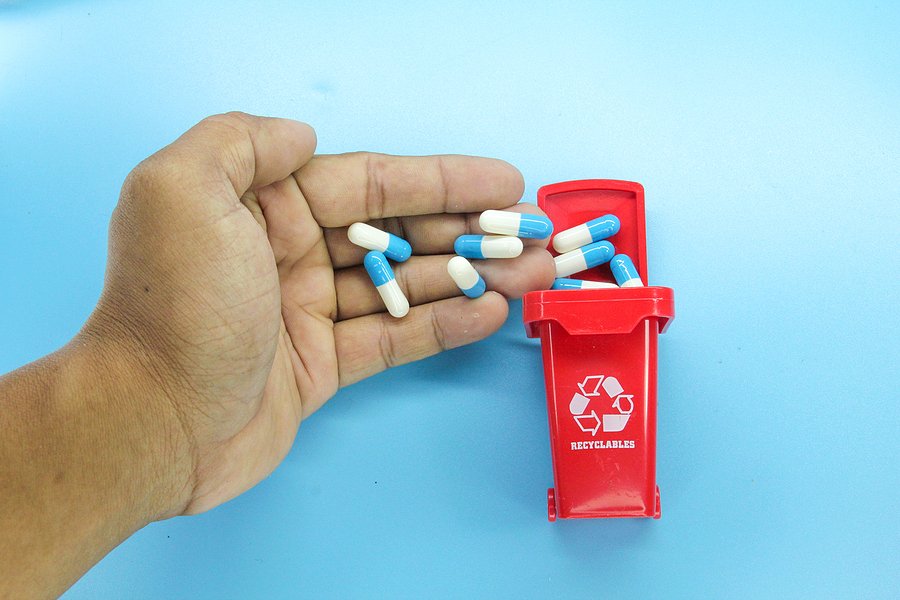
Medication & Drug Disposal
Medications should never be flushed or tossed in the trash — they can contaminate water sources and harm wildlife. Recommended disposal methods:- Pharmacy take-back programs — The safest and most direct option.
- Police department drop boxes — Often available for expired or unused prescriptions.
- DIY disposal (if no programs exist): • Crush or dissolve pills • Mix with coffee grounds or kitty litter • Seal in a plastic bag and place in your trash
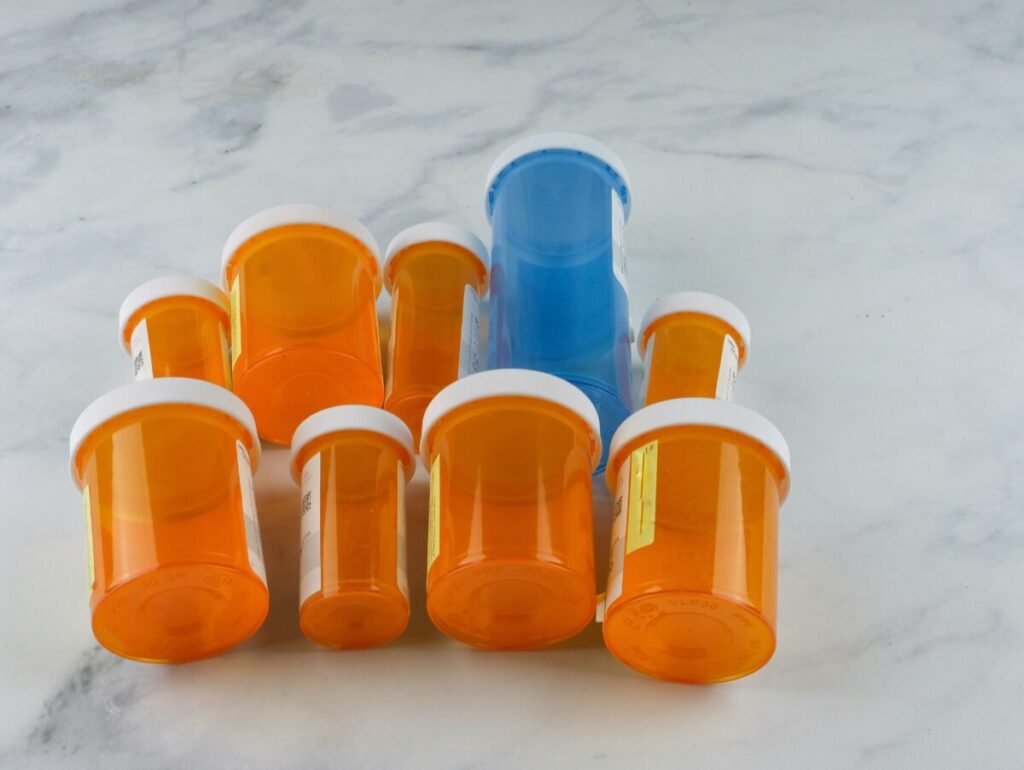
Prescription Bottle Disposal
Prescription bottles are not accepted in curbside recycling due to their size and residue.
Options:
- Place empty bottles in your trash
- Ask your pharmacy about recycling alternatives
- Remove personal information before disposal
Eyeglasses Recycling
Eyeglasses can be tossed in your regular garbage, but recycling is a better option. Reuse and donation options:- Optometrists — May refurbish frames and replace lenses
- Lions Club — Accepts used glasses for cleaning, repair, and donation to those in need